
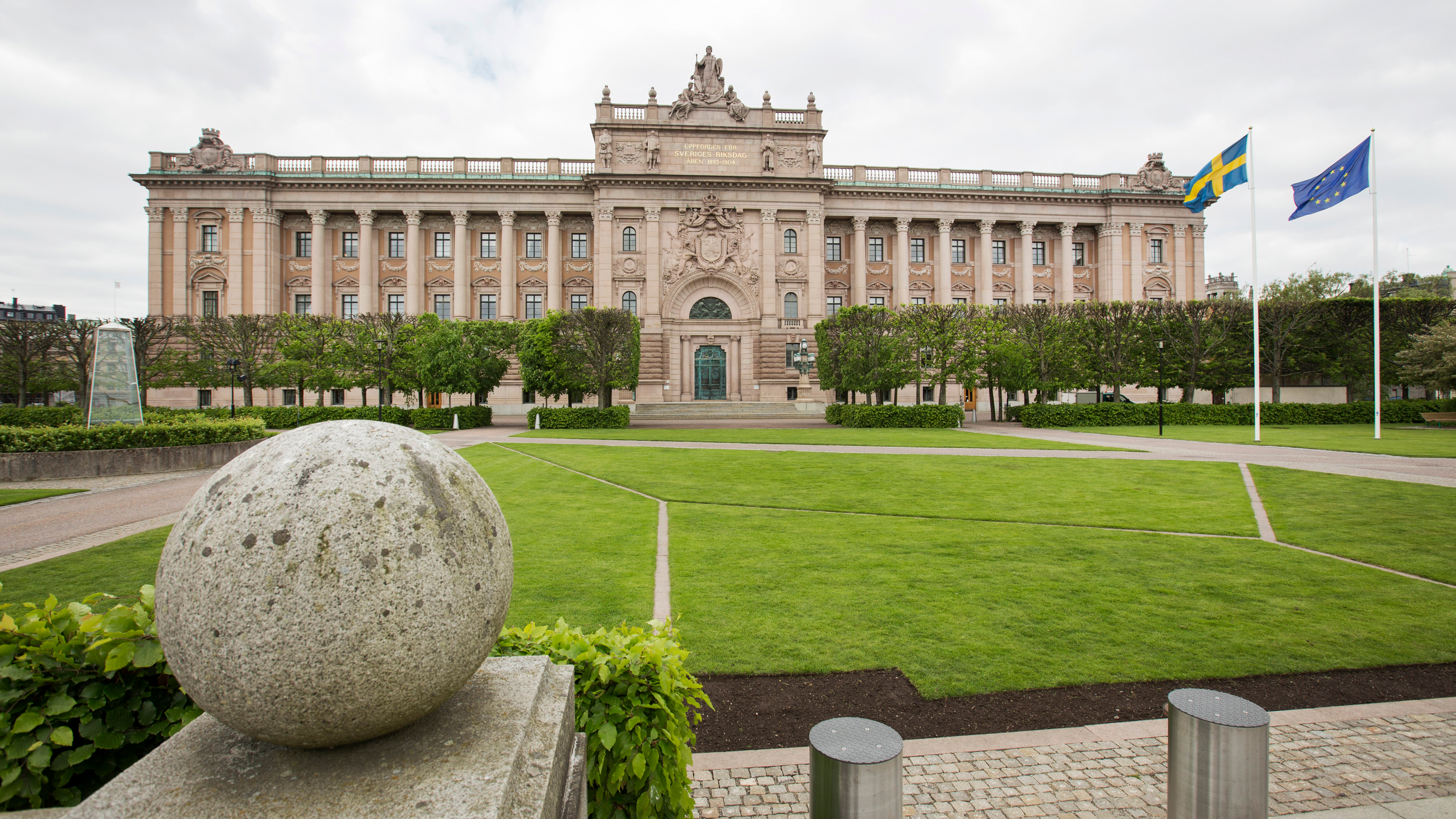
The most influential politicians in Sweden 2025
With less than a year to go until the election, politicians across the country are mobilising to develop policy and prepare for the campaign. But who actually holds influence in Swedish politics?
All public power in Sweden derives from the people, as stated in our constitution. In the Riksdag, laws are passed and debates are held that shape the society of the future. But the political conversation is not only conducted in the chamber — it also takes place in traditional media and, increasingly, on politicians’ own social platforms.
As a data-driven communications agency, we at Burson have analysed hundreds of thousands of data points to create Burson Influence Index (Rösterna som räknas) – an index of members of parliament’s influence in Swedish politics.
Would you like to know more?
Order our free report today.
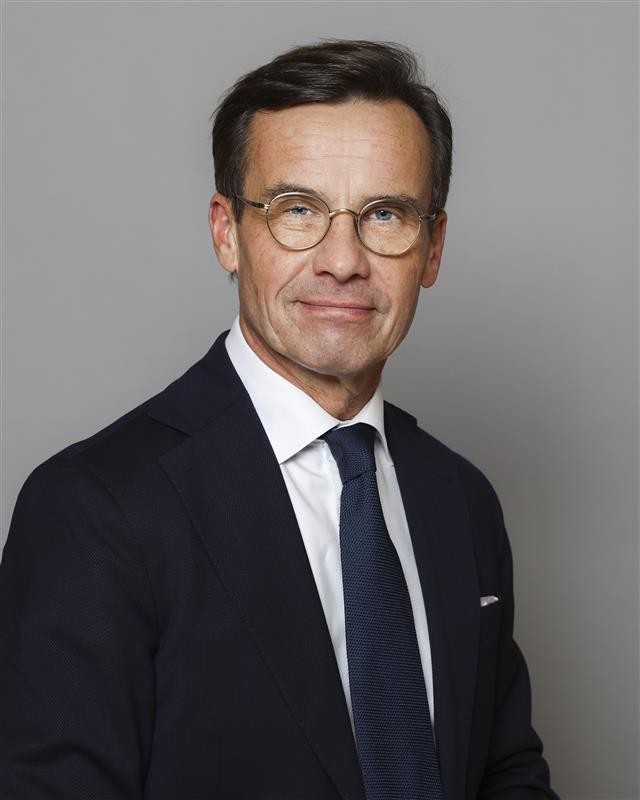
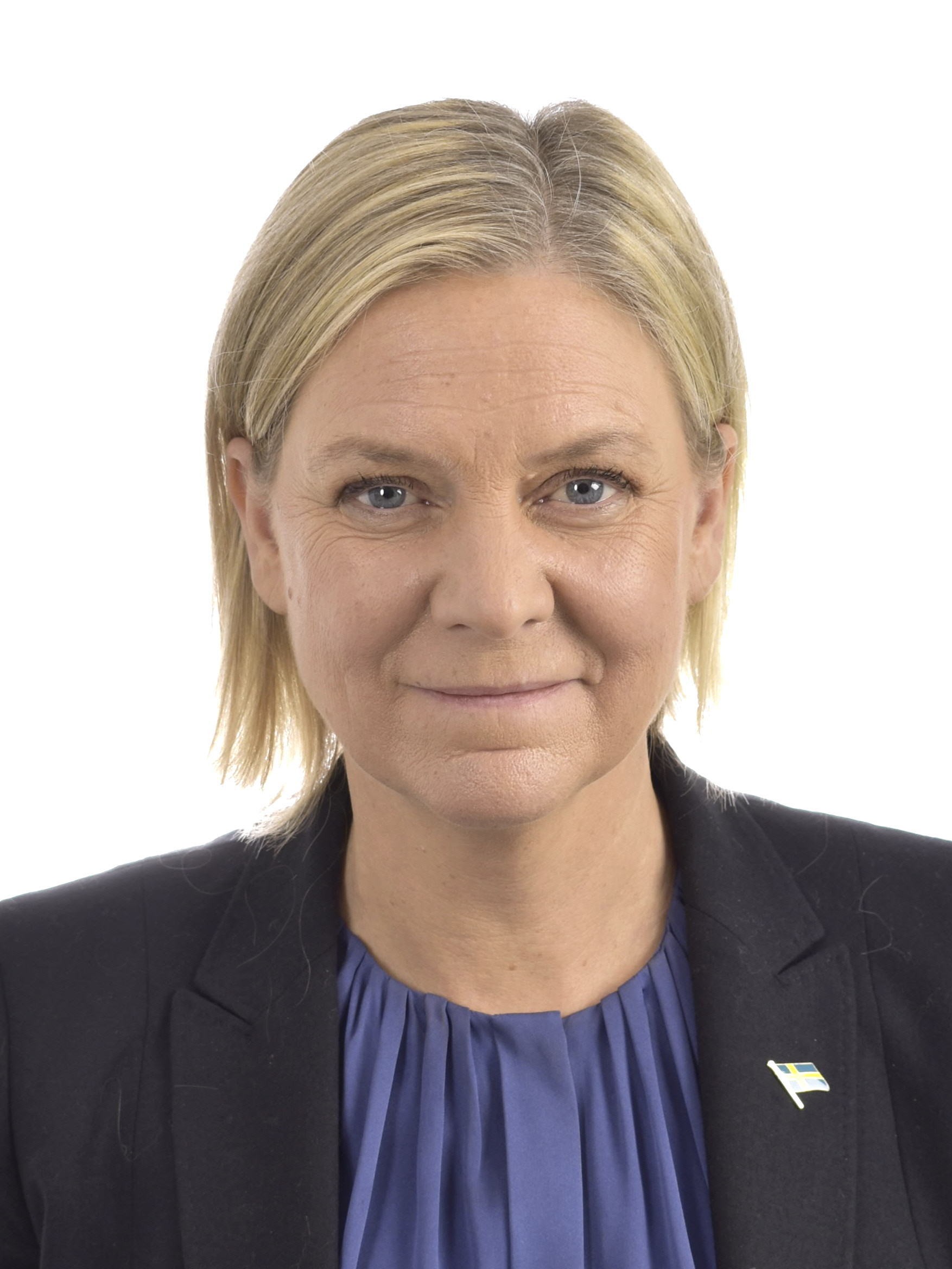
Order reportTop 3 – parliamentary influence



You can find the complete ranking here.
Top 3 - public influence

The left- and right-wing parties remain the leading force in terms of public influence. The SP, Greens, and SVP occupy 22 of the top 30 places, with the SP clearly forming the strongest parliamentary group with 12 representatives. The two Federal Council candidates Jon Pult (2nd place) and Daniel Jositsch (4th place) are among the frontrunners. The battle to succeed Health Minister Alain Berset gave these two councilors a lot of media attention, on which they both capitalized.
However, it was not enough for the top spot. This goes to the Center Party leader Gerhard Pfister in 2024. The National Councilor from Zug seems to have won over the public. Whether through lengthy interviews in the major daily newspapers or the social media platform X, Pfister seems to be omnipresent.
Would you like to know more?
Order our free report today.
Order reportInfluence is measured based on two largely independent dimensions: Parliamentary Influence and Public Influence. Over one million data points are collected based on a defined set of parameters. These reflect various indicators of influence, which are then combined into a single index for both parliamentary and public influence, using a widely accepted statistical method.
Measurement period: Data collection took place between 1 July 2024 and 30 June 2025.