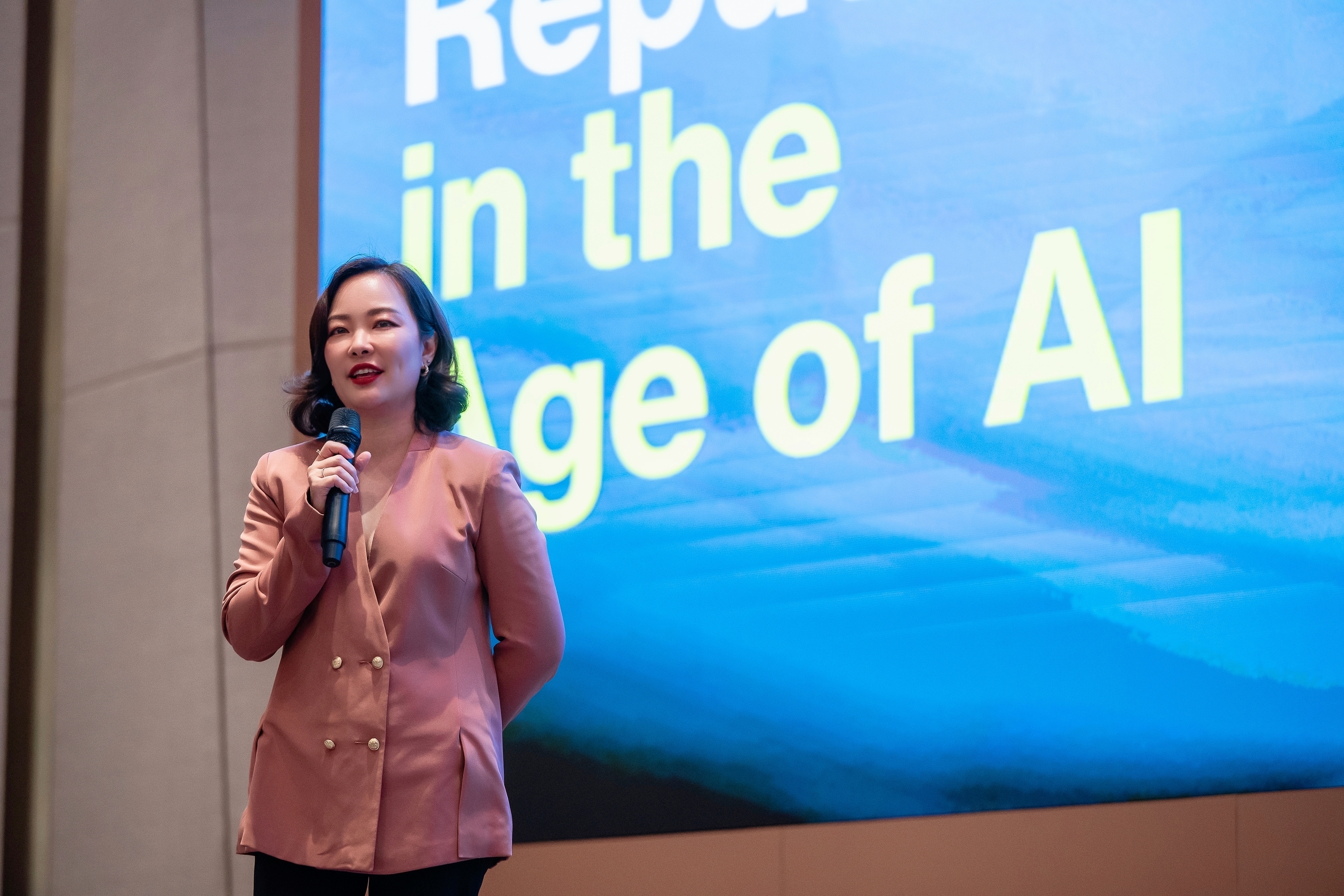
AI answer engines are quickly becoming a new gatekeeper for reputation. The shift is subtle but significant: people are moving from “searching and clicking” to “asking and accepting.” Google’s AI experiences, ChatGPT, and other assistants increasingly deliver the first (and sometimes only) version of the truth that stakeholders see. This changes the role of Communications and PR; the goal isn’t just to be discoverable—it’s to be understood.
At Burson, we’ve been approaching this through GEO (Generative Engine Optimization): designing messages and content so AI systems can confidently pick them up as trusted answers.
A few practical lessons stand out: AI builds responses by recognizing patterns across credible sources—media, Wikipedia, forums, academic/government sites—and then stitching them into a single narrative. If your story is inconsistent (or missing), AI will fill the gaps, and the gap-fill is rarely kind: it’s often generic, outdated, or competitor-led. Earned media has become more than visibility—it’s part of the data layer that shapes AI-mediated reputation. What seems to work best is a simple discipline: be consistent, build authority, and create coordinated repetition across sources—so the narrative becomes both memorable and citable.
In a world where trust is harder to earn and easier to lose, reputation really does function like a currency. It buys attention, confidence, and ultimately preference—especially in zero-click environments.
If you work in comms/PR, try this: ask an AI engine the top 5 questions in your category. Who shows up? What language does it use? And which sources does it trust?